WHO WE ARE
My Death, My Decision is a grassroots campaign group that wants the law in England and Wales to allow those who are terminally ill or intolerably suffering the option of a legal, safe, and compassionate assisted death.
We were founded to represent the interests of those facing intolerable and incurable suffering, at a time when no other right to die organisation would, and to advocate on their behalf to secure a lasting change in the law
Since our incorporation in 2019, we have quickly become one of the leading assisted dying organisations in England and Wales, and are at the forefront of social change: nearly 90% of the public now favours a change in the law to allow assisted dying for those who are incurably suffering or terminally ill.
We are committed to proposing an evidence-based law that would balance individual choice alongside robust safeguards, and we are not afraid to confront uncomfortable truths or expose specious arguments.
With the help of our members, supporters, and patrons we help to broaden the assisted dying debate and seek to enshrine the values of autonomy, dignity, and compassion into assisted dying legislation.
OUR WIDER ROLE
My Death, My Decision is a co-founding member of the UK Assisted Dying Coalition, and is a member of the worldwide alliance for assisted dying reform, the World Federation of Right-to-Die Societies.
OUR TEAM
Philipa Baber
Colin Brewer
BRUCE BURFORD
Phil Cheatle
LUKE COSTELLO
Dehenna Davison
Kerry Hogan
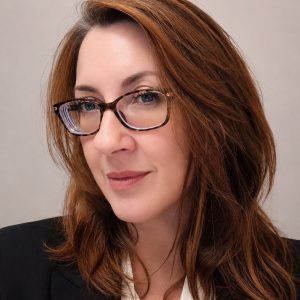
Emily Clark
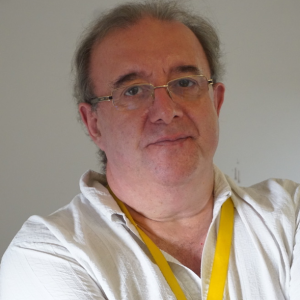
DR TONY LOCKETT
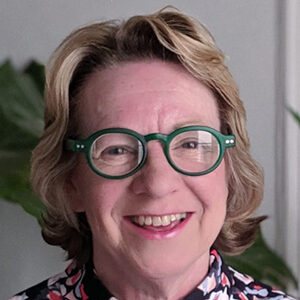
Claire Macdonald
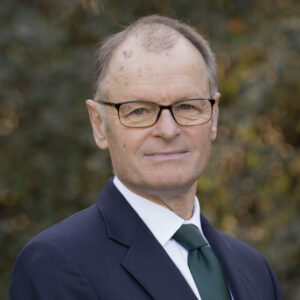
Trevor Moore
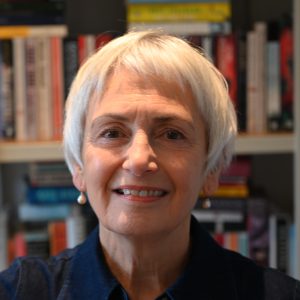
MOIRA NOBLE
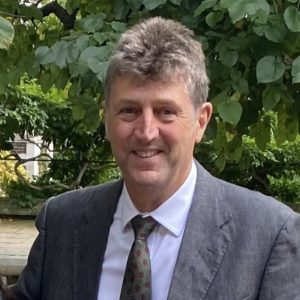
RICHARD OSBORNE
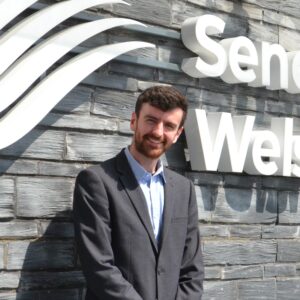
Nathan Stilwell
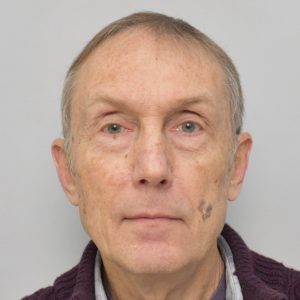
Dave Sowry
Dr. Graham Winyard
OUR PATRONS
Iain Chalmers
Jean Eveleigh
Prof. A C Grayling
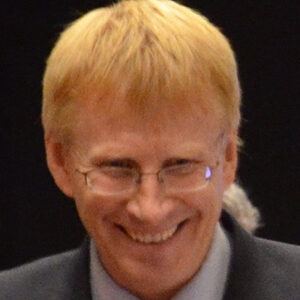
Dr Phil Hammond
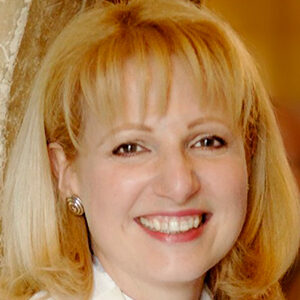
Canon Rosie Harper
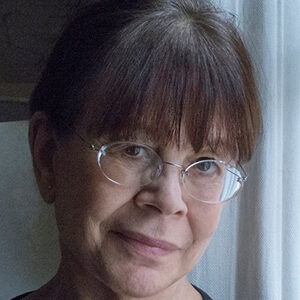
Virginia Ironside
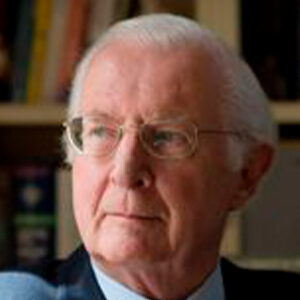
Michael Irwin
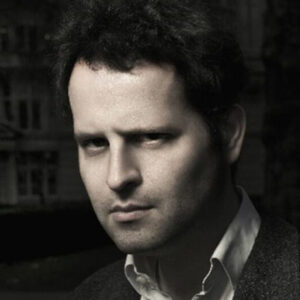
ADAM KAY
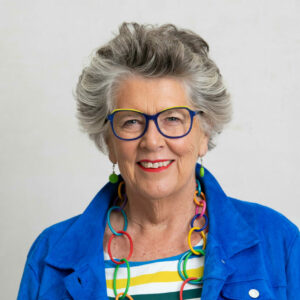
Dame Prue Leith
Miriam Margolyes
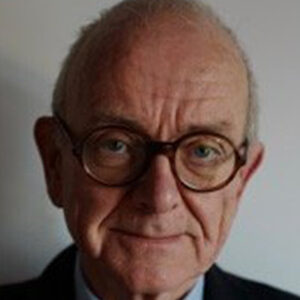
Dr Henry Marsh
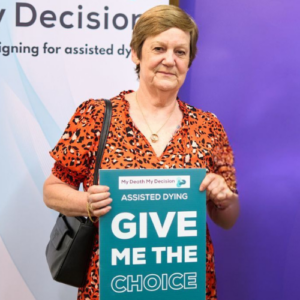
Jane Nicklinson
Professor David Nutt
Lord Martin Rees
Kathleen Richardson
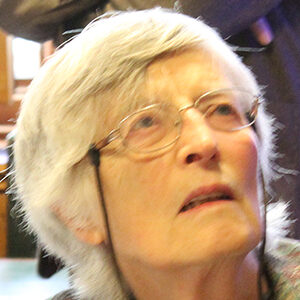
Prof. Wendy Savage
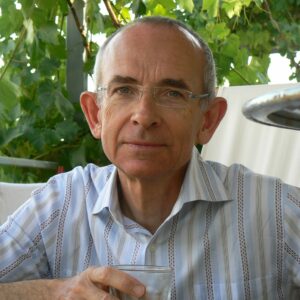
Dr. Martin Scurr
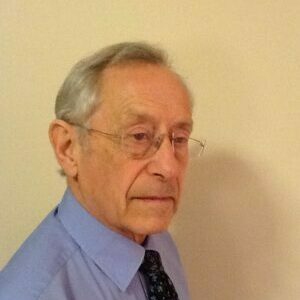
SIR STEPHEN SEDLEY
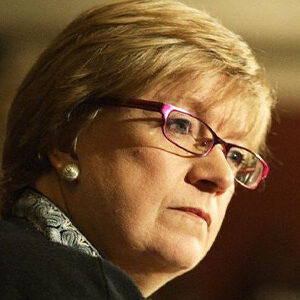
Polly Toynbee
PATRONS REMEMBERED
Dawn Voice Cooper
Dawn Voice Cooper was an active campaigner and social justice advocate, and also a keen member of our campaign. It was her belief that assisted dying is the compassionate, kind and gentle option for end-of-life that should be offered to all adults of sound mind in the UK who are either terminally ill and/or incurably suffering, as she was.
Dawn ended her life at Lifecircle in Switzerland in October 2021. She hoped that her death abroad could help shine a spotlight on the inadequacies of our laws in the UK and bring about change to allow others to access what she called ‘this wonderful form of end of life care’. She died as she lived her life: full of compassion, humour, and self determination!
Paul Lamb
Assisted Dying Campaigner Paul Lamb, was well known for challenging the law prohibiting assisted dying in England and Wales. In July 2019, Paul issued proceedings in the High Court for judicial review of the UK’s law on assisted dying.
Paul, was severely injured in a car accident in 1990 and had no function below his neck, apart from limited movement in his right hand. He required around the clock care and lived in constant pain. Paul explained that his motivation for legal action is to achieve something for the benefit of the many people who face similarly challenging circumstances. Paul died in June 2021.
CLINICAL ADVISORY GROUP
My Death, My Decision’s expert Clinical Advisory Group has several roles. It advises the campaign on scientific matters, acts as a contact point for clinicians who support assisted dying reform, and contributes to interactions with individuals who wish to share their medical stories with the organisation.
To fulfil these activities, the CAG is comprised of MDMD Board members with Medical, Nursing, Drug Developments, Research and Ethics backgrounds. The CAG is also supported by associate members with similar expertise – the CAG is always happy to make contact with other professionals with relevant clinical or academic experience (whether practising, studying, or retired).
CLINICAL ADVISORY GROUP MEMBERS
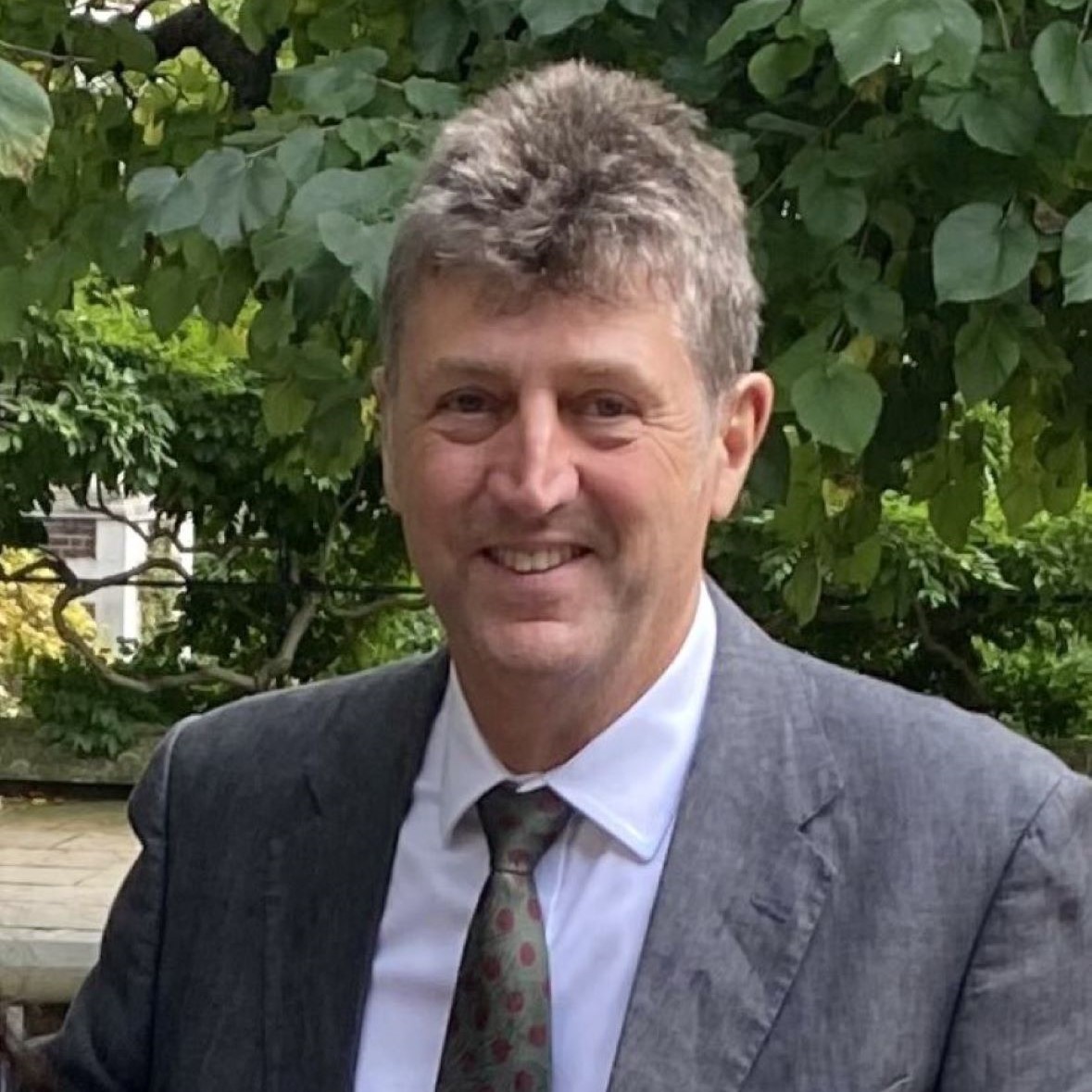
Richard Osborne
Richard graduated from Manchester University Medical School and undertook Medical Oncology training at St Bartholomew’s Hospital, London and the National Cancer Institute. His career included Consultant posts at Addenbrooke’s Hospital, Cambridge, and Dorset Cancer Centre. Latterly he was Clinical Director of Oncology for the Wide Bay Cancer Care Service, Queensland, Australia, before retiring at the end of 2019.
Richard combined clinical practice with therapeutic research in the areas of ovarian cancer, colon cancer, melanoma, acute oncology and unknown primary cancer. He was also active in defining best practice in several areas of cancer management through his involvement in NICE Clinical Guideline committees. The nature of Richard’s clinical work meant that his patients were usually those for whom cancer treatment was given with palliative intent. Accordingly, he has extensive experience of managing end-of-life care. His familiarity with the limitations of existing treatment in this situation has been translated into a recognition of the place that Assisted Dying should take in holistic patient care.
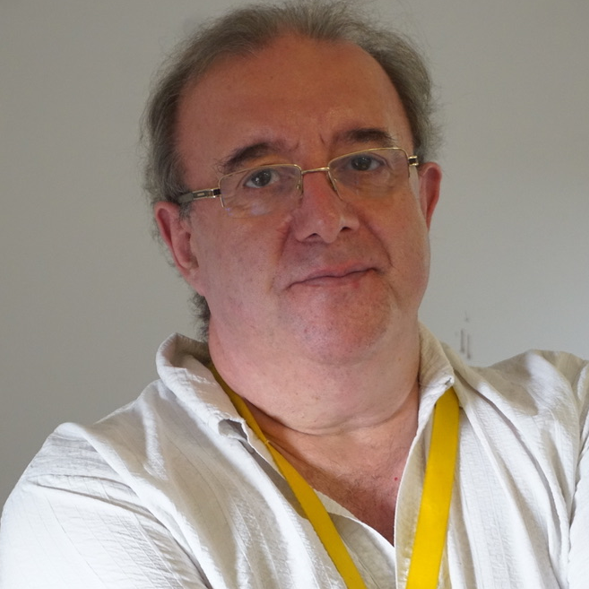
Anthony Lockett
Tony graduated from Newcastle University and St Andrews University and undertook his training in infectious diseases and tropical medicine in Newcastle, Liverpool and the London School of Hygiene & Tropical Medicine, and in healthcare policy at DHSC. His career has included posts at the London School of Hygiene & Tropical Medicine, DHSC, pharmaceutical research companies such as Fortea, and King’s College London. Currently, he is Senior Lecturer in Pharmaceutical Medicine at King’s College London and Medical Director for a spin-out of Durham University.
Tony has combined a career in academic medicine with research in rare diseases and medical ethics. His area of research is neurodegeneration, especially rare dementia. As a medical ethicist, he chairs both NHS and academic ethics committees with a special interest in rare disease and gene therapy. Here he has considerable experience in life-limiting disorders and end-of-life care. His familiarity with the limitations of existing treatments in rare diseases has been translated into a recognition of the place that assisted dying should take in holistic patient care and the choices people with life-limiting conditions make.
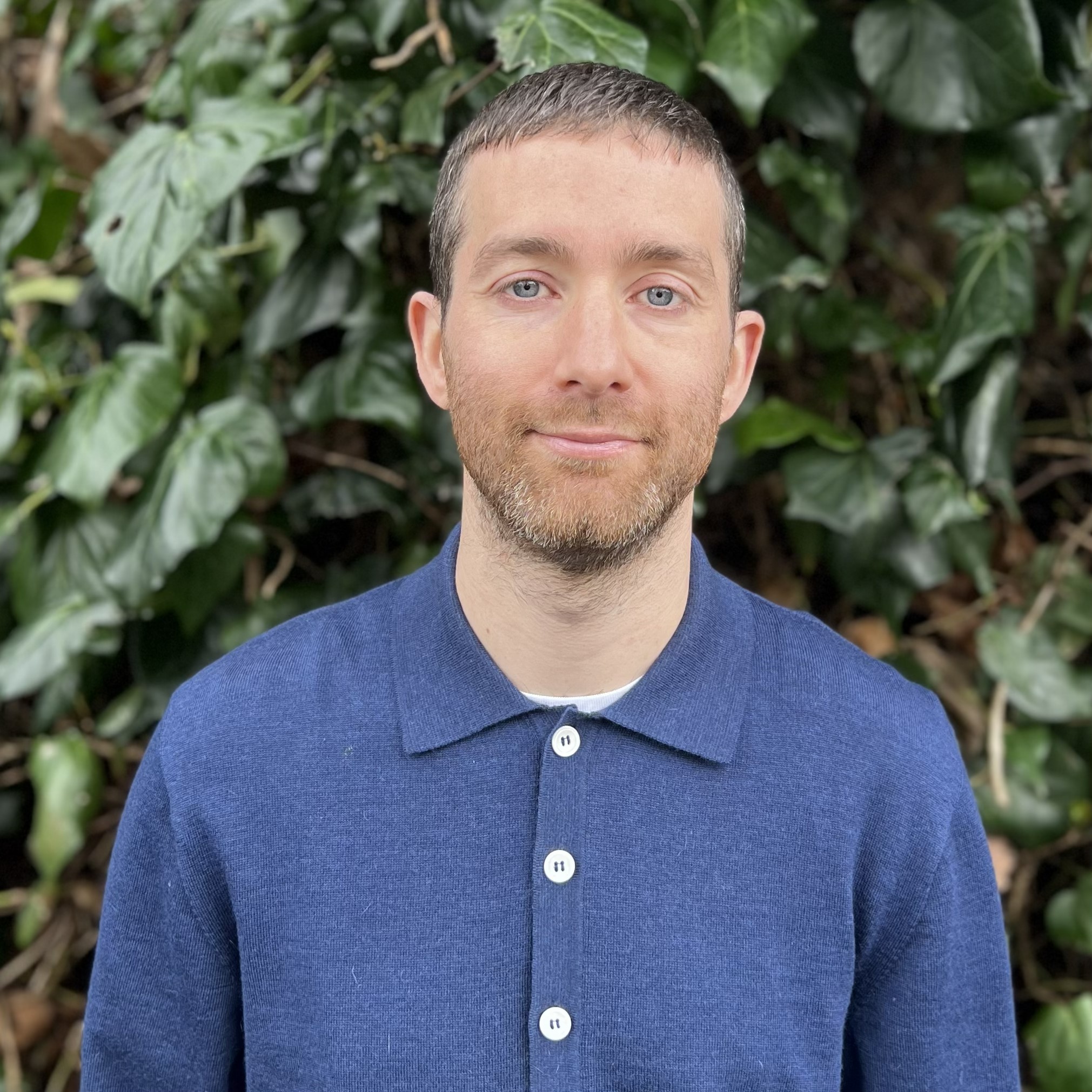
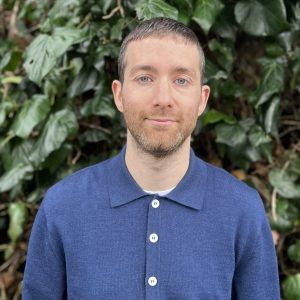
Luke Costello
Luke is a Registered Nurse with a background in accident & emergency as well as critical care nursing. After completing additional training via a MSc at Queen Mary University of London, Luke now works as an Advanced Critical Care Practitioner within an Intensive Care Unit. His direct clinical work frequently involves supporting dying patients in both palliative and non-palliative contexts.
Though always a proponent of assisted dying legislation, Luke’s support was further solidified via a personal experience when his Mum received assisted dying in Canada, where she resided prior to her death.
CLINICAL ADVISORY GROUP PRIORITIES
ADVOCATING FOR THE ADOPTION OF ASSISTED DYING IN THE UK, IN COMMON WITH THE PRACTICE IN DOZENS OF COUNTRIES WORLDWIDE
My Death, My Decision’s Clinical Advisory Group campaigns for the recognition of assisted dying as a basic healthcare right. It argues that assisted dying logically forms an essential part of holistic palliative care provision. THE CAG supports the wider work of MDMD by providing clinical experience and insight to all aspects of the organisation’s work.
CHAMPIONING BROADER PATIENT END-OF-LIFE CHOICES
The view of the Clinical Advisory Group is that many progressive and neurological conditions can have effects upon their patients which are as bad as terminal illnesses, if not worse. They believe that those facing intolerable and incurable suffering should be given a choice over how and when they die.
They believe people with terminal or intolerable conditions should have access to a range of end of life choices including palliative care, terminal sedation and assisted dying. In jurisdictions where this approach has been adopted, evidence suggests that end of life care works best when both palliative care and legal assisted dying work together.
They also believe that it is important for medics and nurses in particular to recognise their role within the assisted dying debate and contribute their expertise.
TACKLING DIFFICULTIES IN THE DOCTOR-PATIENT RELATIONSHIP AT END-OF-LIFE
The Clinical Advisory Group believes it is vital that doctors and patients can have an open, frank, and honest conversation about end of life issues. Doctors should feel equipped to talk without fear or embarrassment about dying and encourage their patients to make their wishes known through Advance Decisions or a Lasting Power of Attorney.
If patients want to ask about ending their lives by going to abroad, it is important that doctors should not be prevented from engaging in such conversations, even if only to explain a patient’s condition and alternative options. Pending a change in the law, if ending their life abroad is a patient’s longstanding, voluntary, and informed wish, legal and professional guidance should enable clinicians to provide medical reports and
maintain patient confidentiality.