We now have a new parliament, with a radically different makeup from the last one. So what does that mean for assisted dying?
Members of Parliament:
One of the rare things that all political parties seem to agree on, is that assisted dying should be a free vote. Most votes on laws in the UK are government bills, introduced by the people in power, and are ‘whipped’, meaning the parties tell their politicians how to vote.
Assisted dying is different. A change in the law will most likely have to be introduced by an individual MP, rather than the government, and it will be a free vote, meaning each MP will be able to vote on it with their ‘conscience’.
This election has led to one of the newest parliaments in our history.
The last vote on assisted dying was nearly a decade ago, and MPs voted overwhelmingly against it. 329 against, 117 in favour, a difference of 213.
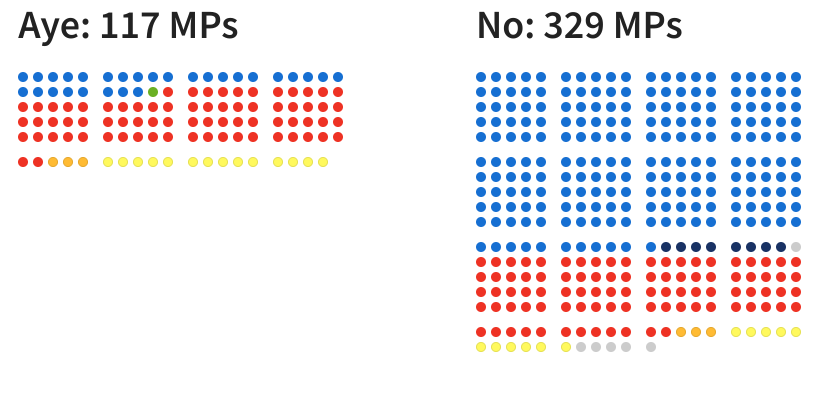 210 Conservative MPs voted against, only 27 voted in favour.
- 91 Labour MPs voted against, 72 voted in favour.
- 3 Liberal Democrat MPs voted against, three in favour.
- 11 SNP MPs voted against, 14 in favour.
Our new parliament now has a Labour majority, with 412 Labour MPs, completely changing the political makeup. Back in 2015, we can see the difference between Labour MPs voting for and against was a lot closer.
There are now 71 Liberal Democrat MPs. The Liberal Democrat Party have a policy to support assisted dying for the terminally ill, but as mentioned, MPs would still have a free vote on this. There are similarly four new Green MPs, with the Green Party also having a policy of supporting assisted dying.

Source: BBC
So looking at the number of MPs alone, an assisted dying law should have a considerably better chance of passing.
Changes since the last vote:
It’s worth remembering that there have been enormous changes since the last vote on assisted dying.
Medical opinion has changed massively since the last vote. In 2021 the British Medical Association (BMA), the largest doctors’ union in the UK, moved to a neutral position, after 50% of its members believed there should be a change in the law.
The Royal Colleges of Nursing, Surgeons, Physicians, Psychiatrists and the Royal Pharmaceutical Society all hold neutral positions on assisted dying.
A year-long inquiry into assisted dying by parliament, which published its final report in February 2024, said end-of-life care can be improved by introducing assisted dying. It said:
‘In the evidence we received, we did not see any indications of palliative and end-of-life care deteriorating in quality or provision following the introduction [of assisted dying]; indeed the introduction of [assisted dying] has been linked with an improvement in palliative care in several jurisdictions.’
There’s more data on assisted dying than ever before. According to the Office of Health Economics, in the UK, even if every dying person who needed it had access to good quality palliative care, 6,394 people per year would still have no effective pain relief in the final three months of their life. The Office of National Statistics (ONS) released a report that showed serious health conditions more than double suicide rates.
It’s has become ever clearer that assisted dying is the most compassionate way forward as an end-of-life choice for those who wish it.
Prime Minister:
 During the last vote on assisted dying, the then Prime Minister David Cameron indicated he was not in favour.
Britain’s new Prime Minister, Sir Keir Starmer, became the Director of Public Prosecutions (DPP) in 2008. The DPP leads the Crown Prosecution Service (CPS) in England and Wales. Key duties include:
- Determining if there is enough evidence and public interest to prosecute.
- Providing legal guidance to prosecutors.
- Handling major or complex cases.
- Working to improve the criminal justice system.
The DPP’s responsibility is to make the criminal justice system fair and effective.
 One of the first cases Starmer dealt with was Daniel James, 23, who was paralysed when the scrum collapsed on him during rugby training. Daniel travelled to Switzerland to end his life accompanied by his parents because he did not want to die alone. Starmer had to decide whether to bring his parents to court, and he chose that putting the family in the dock would be against the public interest.
The next assisted dying case to come across his desk was that of Debbie Purdy, who had multiple sclerosis and wanted to know in advance whether her husband Omar would be prosecuted if he helped her die.
Purdy won her case in The House of Lords, which at the time was the highest court in the UK. They said that the DPP must spell out which facts and circumstances the CPS would take into account in assisted dying cases.
Starmer devised a radical new policy: individuals motivated by compassion to help someone die were unlikely to be prosecuted. This policy is still used by prosecutors today. However, doctors are more likely to be prosecuted for assisting in the suicide of someone in their care.
Starmer’s recent comments:
Sir Keir Starmer has said that he is in favour of assisted dying.
Sir Keir made the commitment when speaking in a phone call with broadcaster Dame Esther Rantzen, who announced in December that she had joined the Swiss assisted dying centre Dignitas.
 Sir Keir told Esther: “I’m personally in favour of changing the law… I think we need to make time. We will make the commitment. Esther, I can give you that commitment right now.”
Starmer has intense insider knowledge of the debate and the intricacies of it – indeed he’s been a core part of one of the biggest changes to assisted dying in the UK.
Leaders make a big difference. It is said that David Cameron’s support of equal marriage in 2013 considerably aided the free vote to pass.
What comes next?
We still have an almighty task of getting an assisted dying debate in the first place. As mentioned above, assisted dying will most likely have to be a Private Members’ Bill and those are quite literally chosen at random.
The next opportunity for one of those is roughly two weeks after the King’s speech, where the 20 MPs will be chosen to introduce their choice of bill. (415 MPs entered the ballot in November 2023).
If an MP chooses to promote a bill on assisted dying, we will hope to work closely with them to produce the most compassionate law possible. If that happens, we really could see an assisted dying law in England and Wales before the end of the decade.
Trevor Moore, Chair of My Death, My Decision, said:
“This new parliament represents the biggest opportunity for an assisted dying law change that England and Wales has ever seen. Public and medical opinion have changed massively since the last vote in 2015. The time has therefore come for politicians to reflect that and change the law.
“We will work with this new parliament to make the case for change. We need the public’s support to make this happen. Adults who are intolerably suffering from a condition without a cure deserve the right to make a choice about their lives and their deaths. It’s in politicians’ hands to achieve that.”
Notes:
Members of the MDMD team, as well as individuals affected by the current law on assisted dying, are available for interview upon request
For further comment or information, media should contact Nathan Stilwell at nathan.stilwell@mydeath-mydecision.org.uk or phone 07456200033.
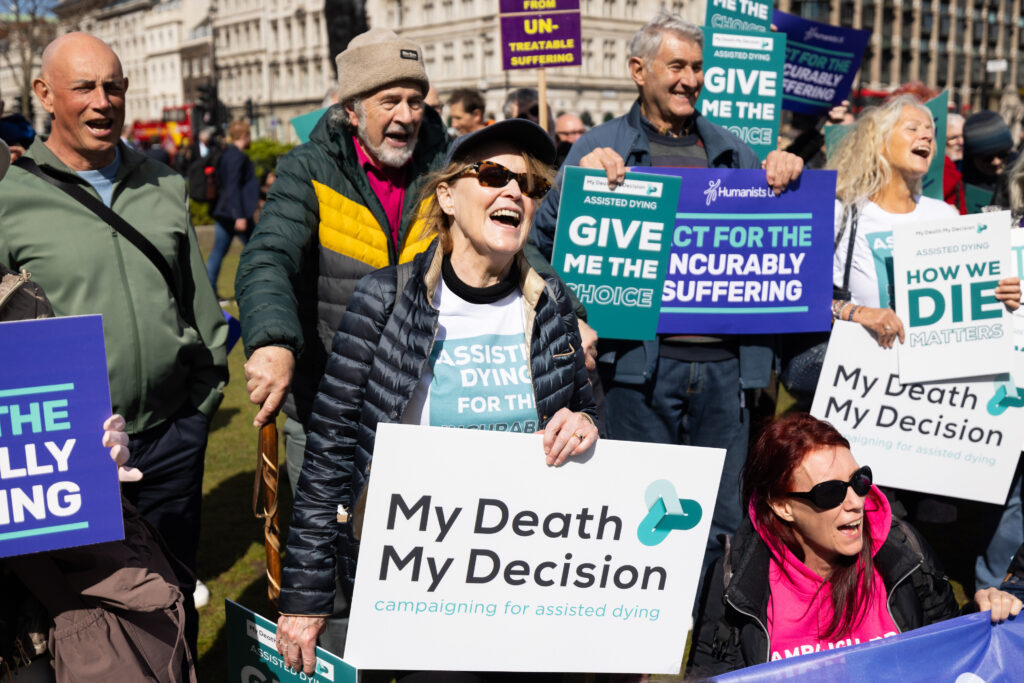
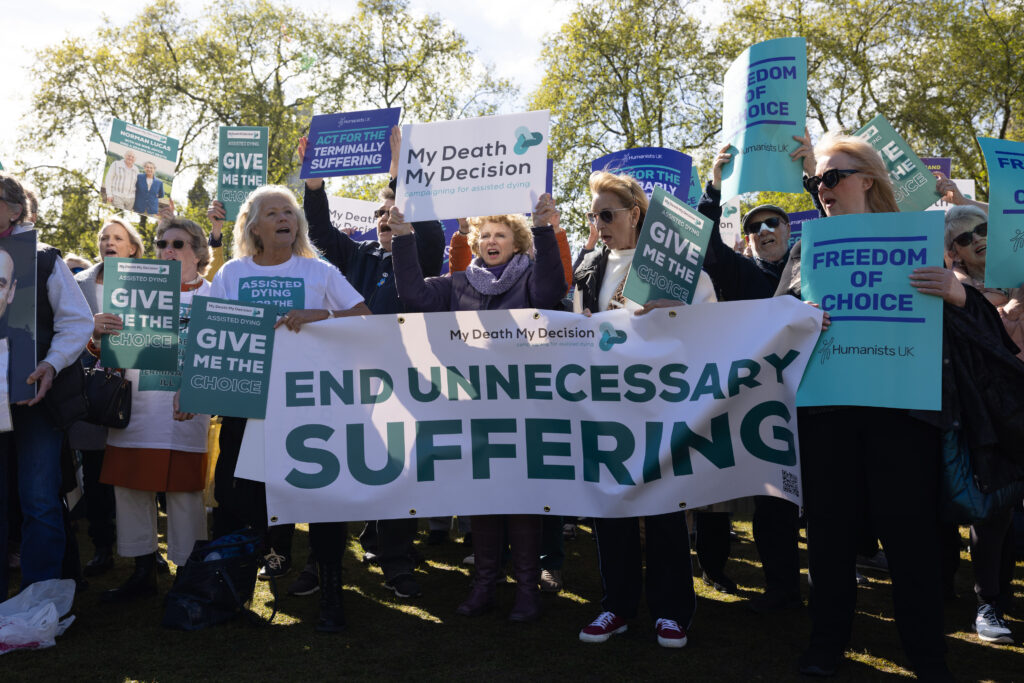
Media can use the following press images and videos, as long as they are attributed to “My Death, My Decision”.
My Death, My Decision is a grassroots campaign group that wants the law in England and Wales to allow mentally competent adults who are terminally ill or intolerably suffering from an incurable condition the option of a legal, safe, and compassionate assisted death. With the support of over 3,000 members and supporters, we advocate for an evidence-based law that would balance individual choice alongside robust safeguards and finally give the people of England and Wales choice at the end of their lives.



 An Assisted Dying Bill has been introduced in the House of Lords. Lord Falconer of Thoroton was chosen second in the ballot to introduce the “Assisted Dying for Terminally Ill Adults Bill [HL] “, which will have it’s first reading on Friday 26 July. My Death, My Decision welcomes the bill for initiating a much-needed debate. However, we are disappointed that it is limited to terminally ill patients and does not extend to those with incurable conditions like multiple sclerosis or locked-in syndrome.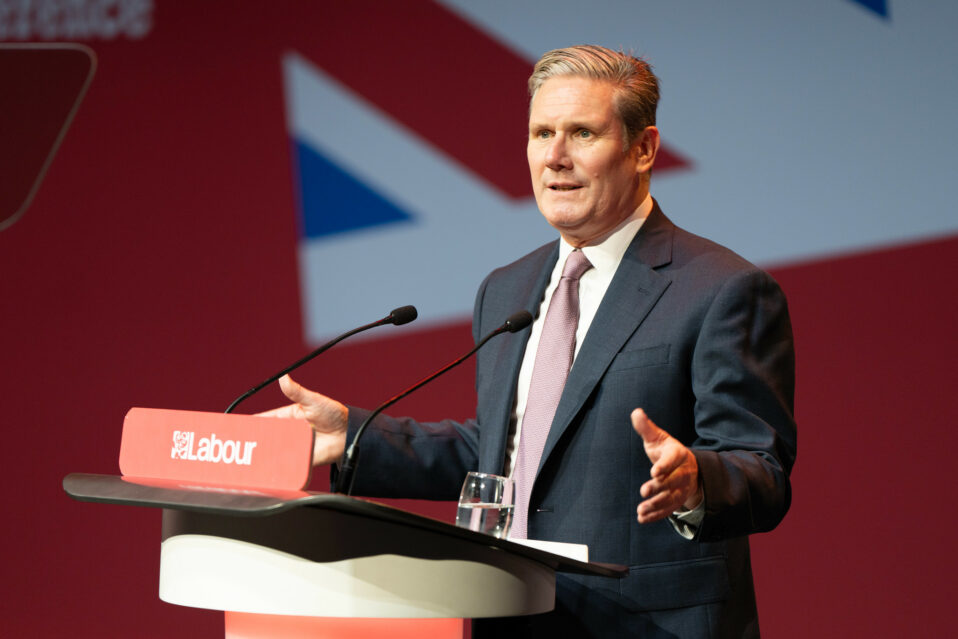
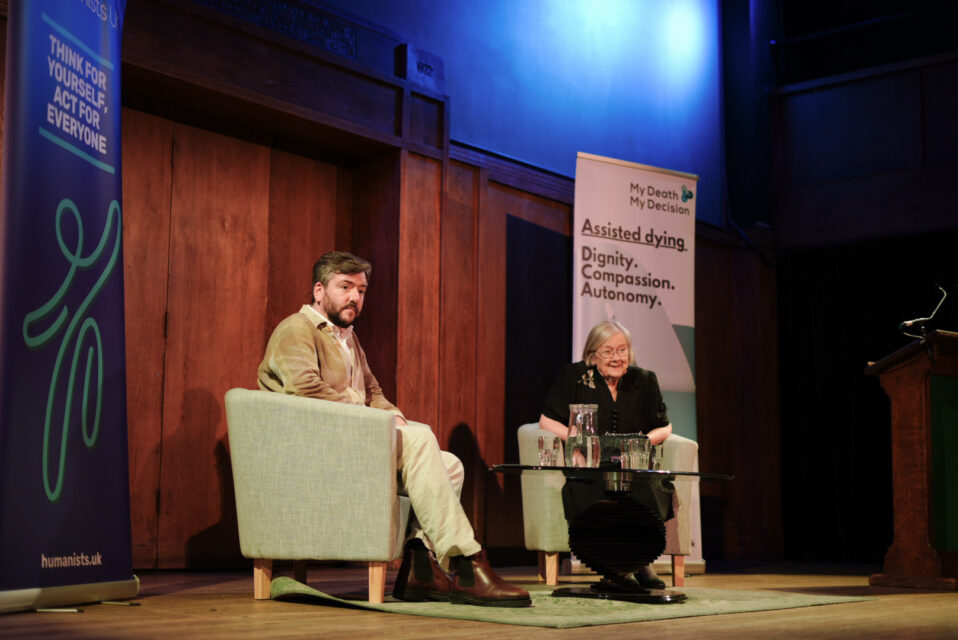
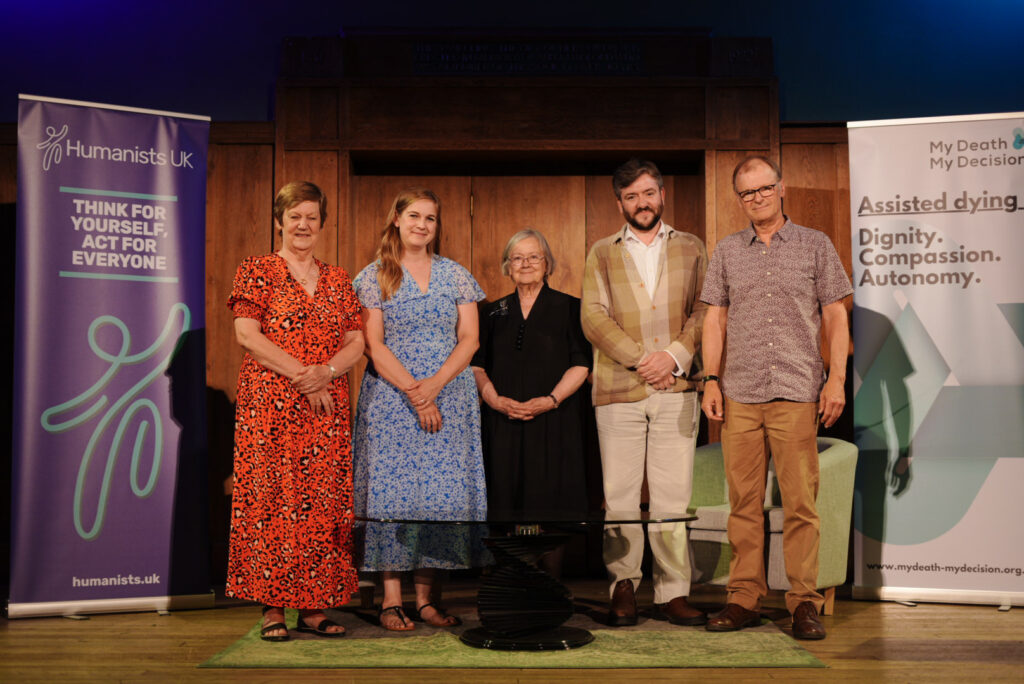
 When asked about the lack of nuanced political debate on assisted dying in England and Wales, The Right Honourable Baroness Hale of Richmond said:
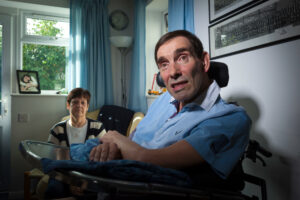 Today marks ten years since the pivotal ruling in
  Jane Nicklinson, Tony’s widow, continued the legal battle with Paul Lamb, a former builder and father of two, who was paralysed from the neck down in 1990. They took the case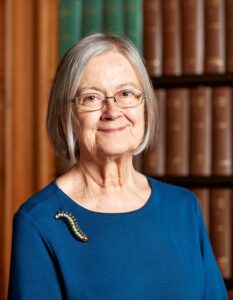
 The manifesto states:


 The Crown Prosecution Service (CPS) has


Recent Comments