

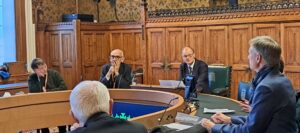
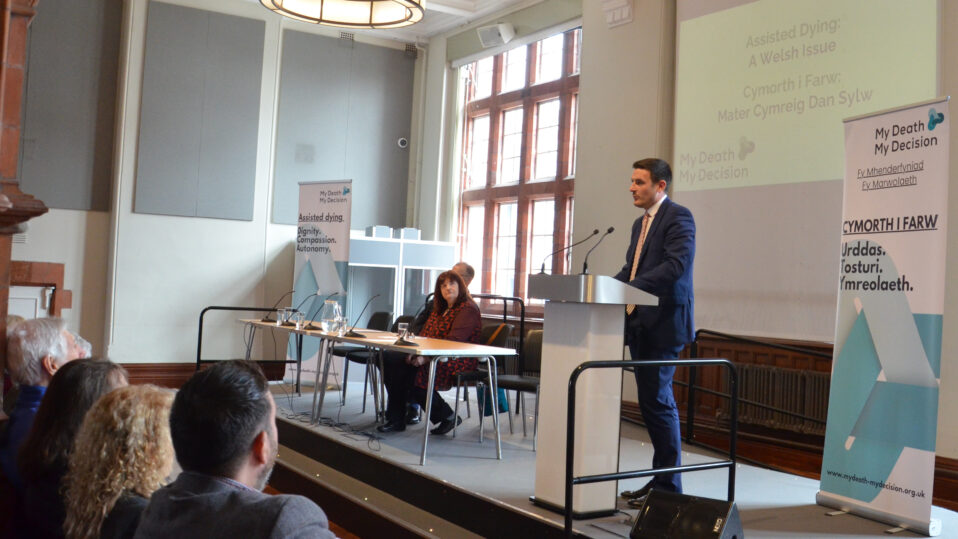
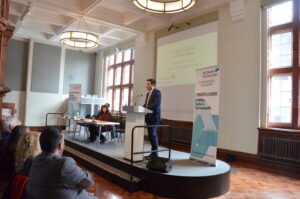
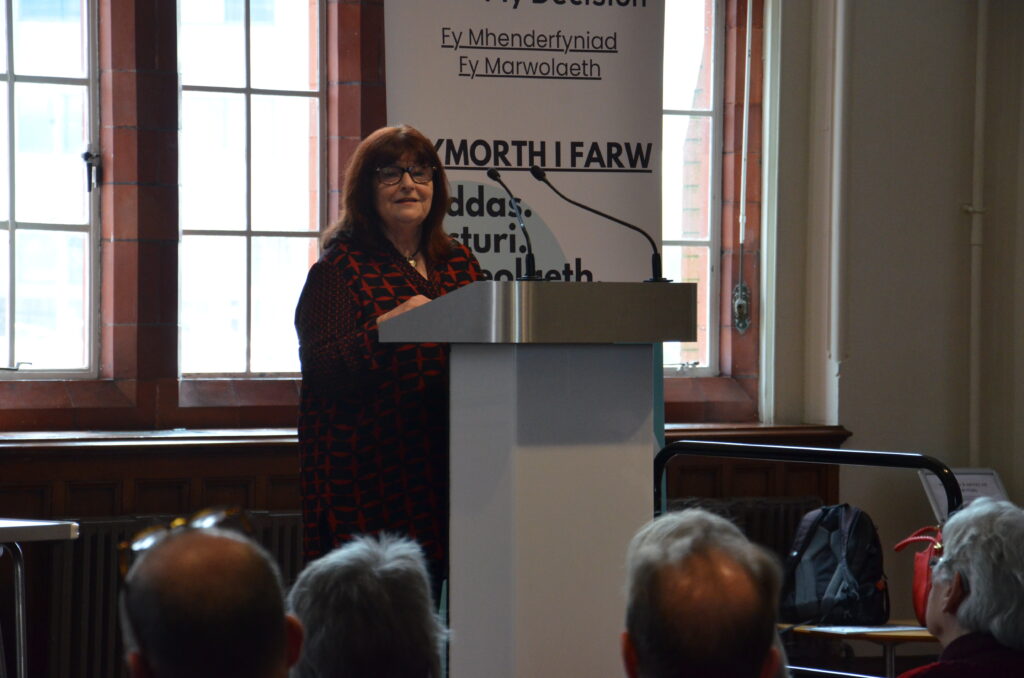
 A representative from DIGNITAS has told MPs that assisted dying at the Swiss centre is “safe, peaceful and compassionate” for the people who end their lives there. Silvan Luley, a representative of ‘DIGNITAS – to live with dignity, die with dignity’, spoke to politicians at a closed-room briefing organised by My Death, My Decision.
Speaking about the process of assisted dying, Silvan explained the end-of-life medication used at DIGNITAS is similar to medication used for anaesthetics. The patient falls asleep within seconds or minutes of taking the medication, and often dies within the hour and the process is peaceful.
Silvan said:
“The ‘horror stories’ you may have read in the press recently, with people taking hundreds of pills or people choking, is complete and utter nonsense.”
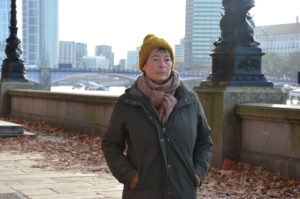 Clare Turner, a mum of two from Devon who has stage 4 breast cancer, rescheduled her chemotherapy treatments to talk to MPs. Clare said:
“I want to avoid pain, indignity and suffering, but I’m also aspirational because I want a good death. I want to die being grateful for the miracle of my life. I have an oak tree that sweeps over my garden. I lie under it and watch the owls and the stars. It provides shade for picnics with friends. It’s where I want to die; under the shade of my oak tree. I want to die feeling grateful for the miracle that is life.
I feel a lot of this conversation is fear-based, and that fear leads to so much what-iffery.“
Dr. Martin Scurr, GP, former Medical Director of St John’s Hospice and Daily Mail medical columnist, recounted two stories from his medical past about doctors assisting their patients to have an assisted death. One story involved a Catholic priest asking a doctor to help an elderly nun with a terminal illness to die peacefully. Scurr said that modern medical governance is so strict that this could not happen any more.
He said:
“Not giving people control at the end of their lives is maleficent and therefore goes against one of the four pillars of medicine. With palliative sedation, the patient is parked in a semi-delirious sleep state, maybe they’re not suffering but you’ve taken away their control.
What about ‘First do no harm’? By not allowing assisted dying you are doing harm!”
Professor Emily Jackson, Professor of Law at the LSE, specialising in medical law, told MPs that the so-called ‘slippery slope’ does not exist. This is a matter for parliament to decide and it’s parliament’s job to legislate. Commenting on the debate so far,
Emily said:
“The hypothetical suffering of an imaginary person seems to get so much more oxygen and attention than the people who are suffering right now.
‘In the UK, patients with capacity can already make decisions that will result in their death. Patients have the right to refuse life-prolonging treatment. In this circumstance, we already have mechanisms for doctors to decide if patients are under coercion. Why can’t we apply these mechanisms and these judgements in the assisted dying situation? We also already have excellent laws and systems in other situations where coercion needs to be identified. An example would be the protection of reproductive rights.”
Trevor Moore, Chair of My Death, My Decision said:
“We are grateful to the excellent speakers at the briefing, using their considerable professional experience to debunk the misinformation put out by opponents, many of whom disagree with assisted dying for their own personal reasons, but fabricate negative stories as a smokescreen.
Our key message to MPs is that if they reject the Leadbeater Bill they will force many to suffer unnecessarily, because we know that palliative care cannot help many thousands of suffering people. Beyond that, they have choices that are harrowing not only for them, but also for their loved ones. Can you look those people in the eye and tell them you don’t support a compassionate choice that will allow them a calm and dignified death?”
Notes:
Members of the MDMD team, as well as individuals affected by the current law on assisted dying, are available for interview upon request
For further comment or information, media should contact Nathan Stilwell at nathan.stilwell@mydeath-mydecision.org.uk or phone 07456200033.
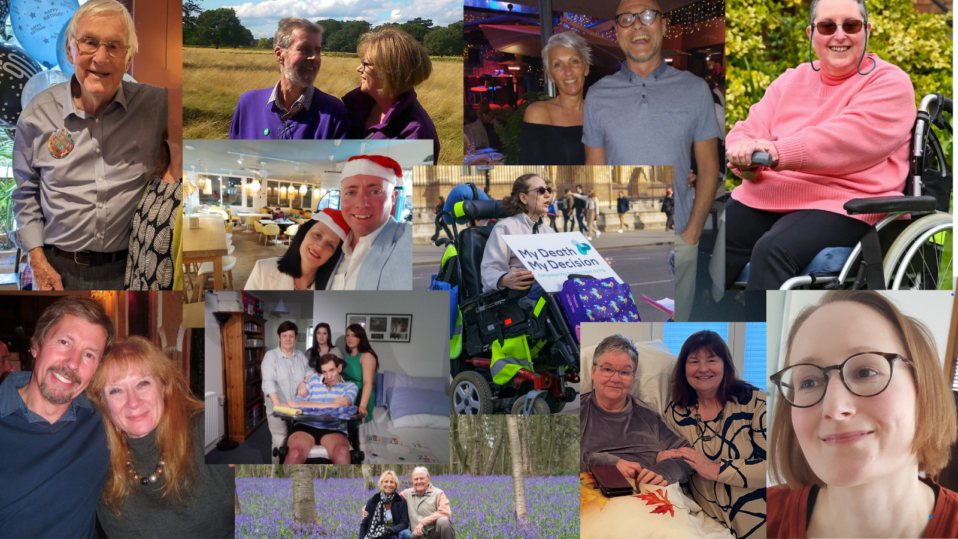
Media can use the following press images and videos, as long as they are attributed to “My Death, My Decision”.
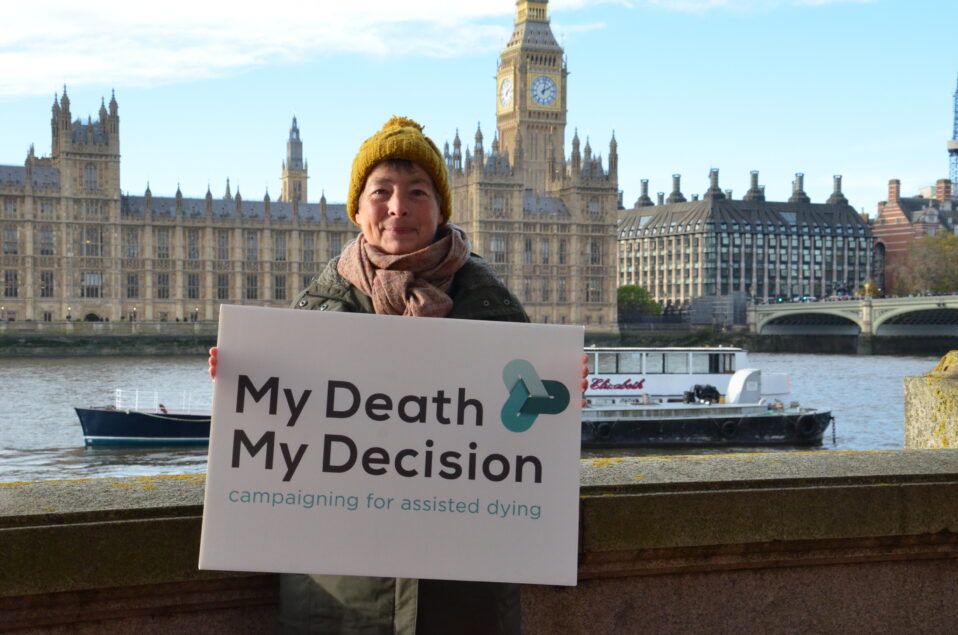
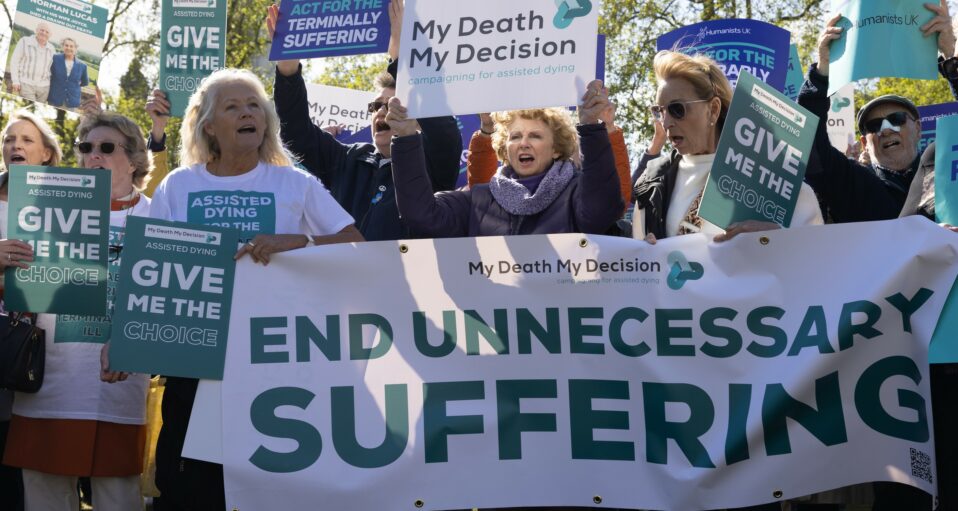
My Death, My Decision is a grassroots campaign group that wants the law in England and Wales to allow mentally competent adults who are terminally ill or intolerably suffering from an incurable condition the option of a legal, safe, and compassionate assisted death. With the support of over 3,000 members and supporters, we advocate for an evidence-based law that would balance individual choice alongside robust safeguards and finally give the people of England and Wales choice at the end of their lives.


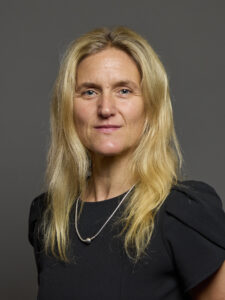
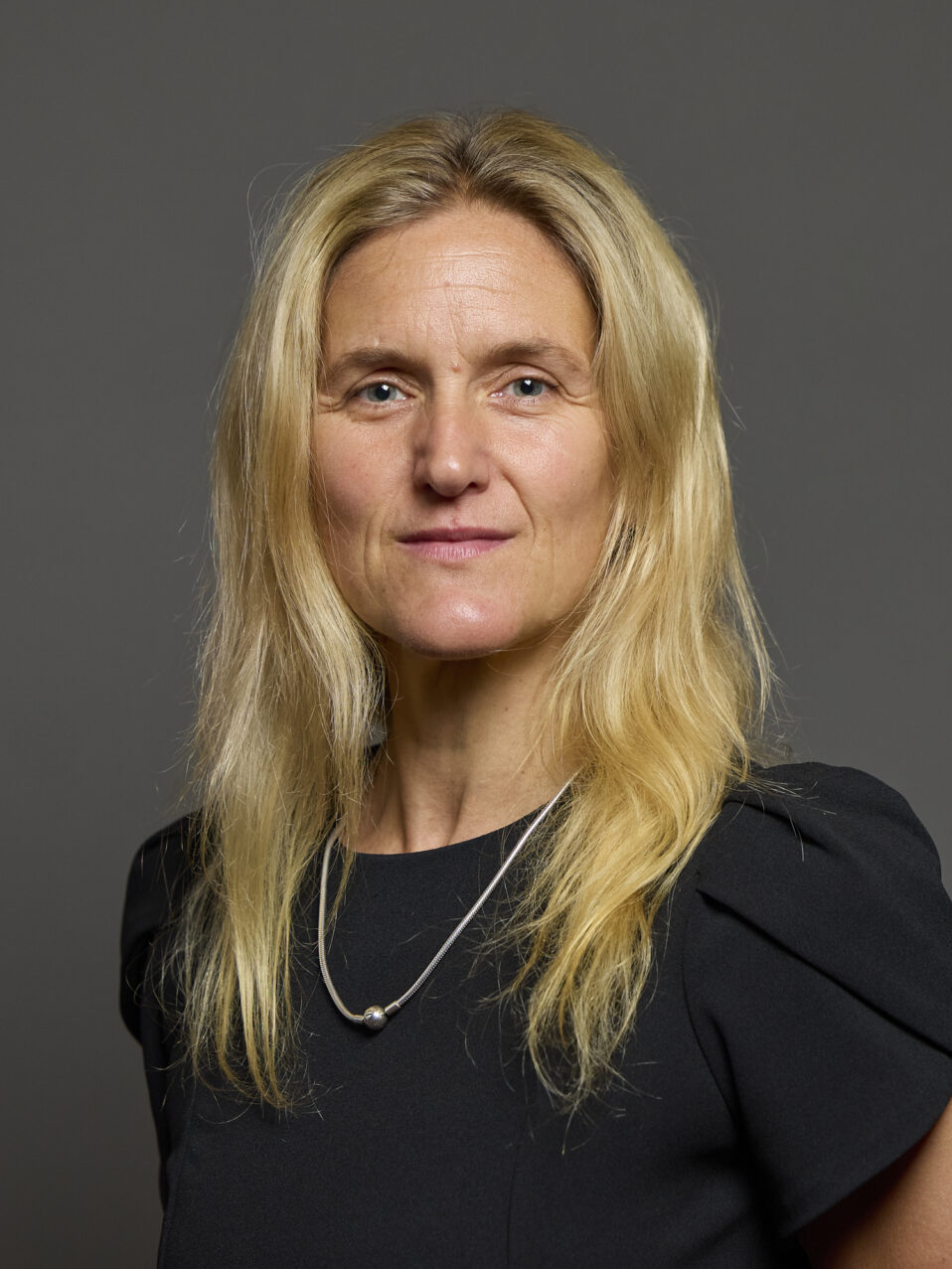




 Kim Leadbeater MP came first in this year’s ballot.
  Assisted dying means allowing a person who is suffering unbearably from an incurable illness to choose to end their life, with help from a doctor. Currently, assisted dying is illegal in England and Wales, meaning people who want the option to die on their own terms must contemplate attempting risky means or making a costly journey to Switzerland, often alone.
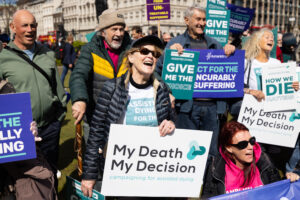 There’s been a lot of confusion about this, but in brief – the first step hasn’t happened yet.

 A poll commissioned by
 A pioneering Citizens’ Jury has strongly recommended the legalisation of assisted dying in England, with 20 out of 28 members supporting a change in the law. The jury, which included a cross-section of the English population, spent eight weeks engaging in deliberations on the topic, hearing from a wide range of experts.

Recent Comments